

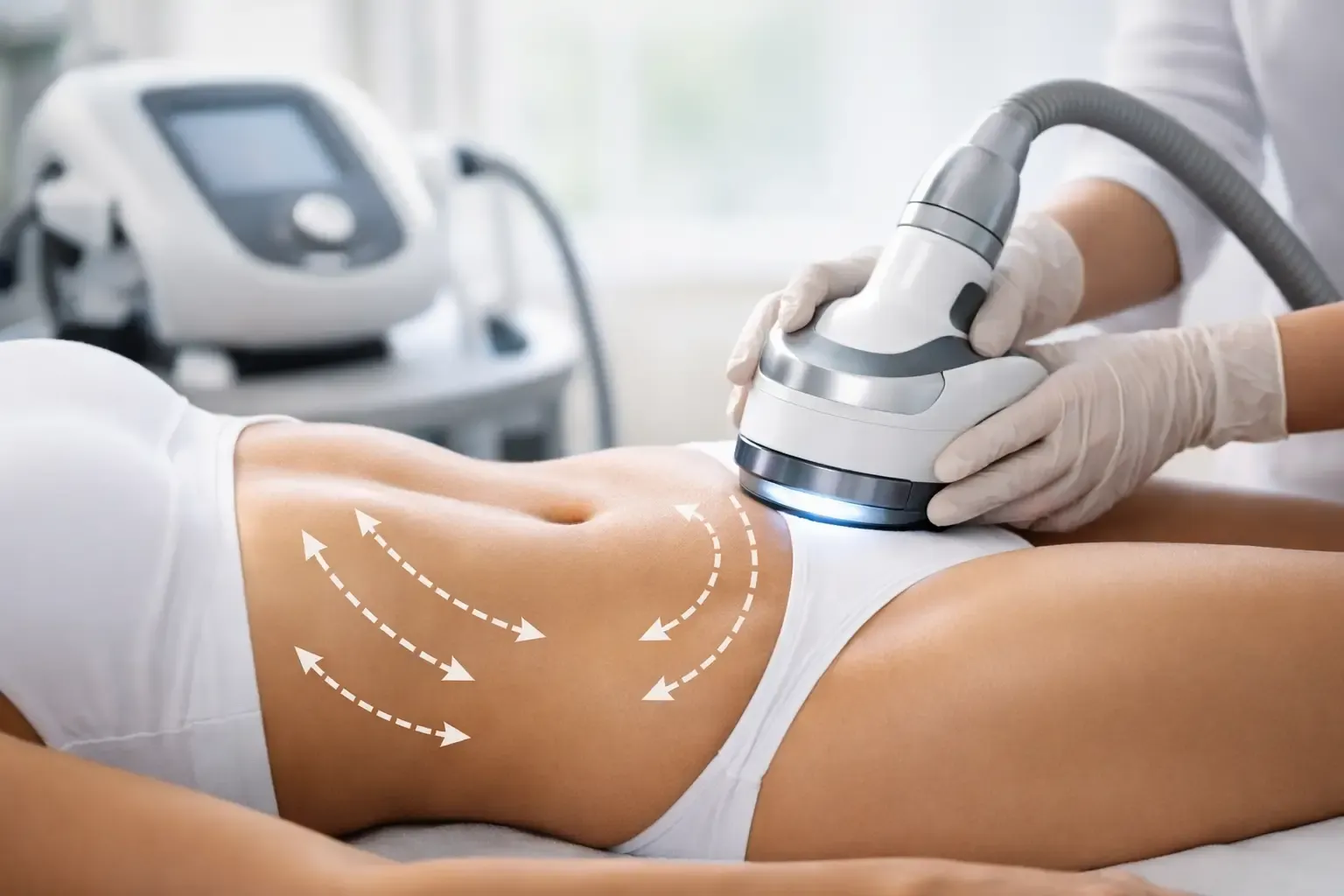
A stable number on the scale does not always reflect the body you see in the mirror. Stubborn fullness at the abdomen, softened definition along the arms, or laxity after weight loss can remain despite consistent nutrition and exercise. The right body contouring treatment options address these concerns with a more precise goal: improving shape, skin quality, and proportion without asking you to become someone else.
For many clients, the best result is not dramatic in an obvious way. It is a smoother silhouette in tailored clothing, a firmer-looking midsection, or contours that better reflect the effort already invested in health. Selecting the right approach starts with understanding what is actually driving the concern: localized fat, skin laxity, changes in muscle tone, fluid retention, or a combination of factors.
What Body Contouring Can and Cannot Do
Body contouring is designed to refine specific areas of the body. Noninvasive and minimally invasive technologies can help reduce the appearance of localized fat, support skin tightening, and improve the look of cellulite or uneven texture. These treatments are especially valuable for clients who are close to a sustainable weight but want more definition than lifestyle changes alone have produced.
It is not a substitute for medically supervised weight loss when weight reduction is the primary goal. Nor can any single device fully correct substantial loose skin after major weight loss or pregnancy. A thoughtful consultation creates realistic expectations, identifies the treatment category that fits your anatomy, and may pair contouring with nutrition, metabolic support, or a weight-management protocol for a more complete result.
Body Contouring Treatment Options by Concern
The most effective plan is based on the tissue being treated, not a trend or a one-size-fits-all package. During an assessment, a medical provider should evaluate body composition, skin quality, treatment history, health status, and the timeline you have in mind.
Localized Fat and Resistant Fullness
When a pocket of fat persists at the abdomen, flanks, thighs, back, or under the chin, energy-based fat reduction may be appropriate. Depending on the technology, controlled heat or cooling is used to target fat cells beneath the skin while preserving the surrounding tissue. The body then processes the treated cells gradually over the following weeks and months.
This option is best for areas of pinchable fat rather than generalized weight loss. Results are often progressive, which suits clients seeking a refined, natural-looking change. More than one session may be recommended based on the size of the area and the desired level of correction. A stable weight after treatment helps preserve the improved contour, although remaining fat cells can still enlarge with significant weight gain.
Skin Laxity and Crepey Texture
Skin does not always retract at the same pace as fat loss. Aging, hormonal changes, sun exposure, and shifts in collagen production can leave skin looking loose or less defined, particularly along the abdomen, arms, thighs, knees, and jawline.
Radiofrequency-based treatments deliver controlled energy to warm the deeper layers of the skin and support collagen remodeling. This can improve the appearance of firmness and texture over a series of sessions. DENSITY RF is one advanced option used for collagen-focused tightening, with treatment parameters selected according to the area and the individual’s skin needs.
Skin tightening is typically a gradual process. Some clients notice an initial improvement in tissue quality, while collagen remodeling continues over time. It is often most rewarding for mild to moderate laxity. When skin excess is substantial, a surgical consultation may offer a more appropriate path than repeated nonsurgical treatments.
Cellulite, Texture, and a Less Smooth Silhouette
Cellulite is not simply a body-fat concern. It involves fibrous bands beneath the skin, fat distribution, circulation, and skin thickness. That is why intense exercise or weight loss may improve it for some people but not fully eliminate the dimpled appearance.
Multimodal treatments can be particularly useful here. T-Shape2 combines technologies such as radiofrequency, vacuum, and massage-based stimulation to support circulation, improve the appearance of skin texture, and enhance contouring efforts. Clients often appreciate that treatment can address both the visible surface and the underlying tissue quality, especially in areas such as the thighs, buttocks, and abdomen.
A series is generally recommended for cellulite and texture concerns. Maintenance sessions may also be worthwhile, because aging, hormonal shifts, and changes in body composition continue to affect the skin over time.
Muscle Definition and Body Composition
A contouring plan should not stop at inches. Muscle mass and metabolic health influence the way the body carries weight, ages, and responds to aesthetic treatment. For clients whose concern is softness related to reduced muscle tone, a strategy that includes strength training, adequate protein, clinical nutrition, and hormone evaluation when indicated may create a more meaningful change than a device alone.
This is especially relevant during perimenopause, menopause, and periods of weight loss, when lean muscle can decline and the body may redistribute fat differently. A clinically informed plan can support a stronger foundation for aesthetic treatments while helping results look balanced rather than overtreated.
Why Combination Plans Often Create Better Results
The most polished transformations rarely come from treating only one variable. A client may need fat reduction at the lower abdomen, radiofrequency support for skin laxity, and nutrition guidance to maintain the result. Another may be an excellent candidate for a medical weight-loss program first, followed by contouring after reaching a more stable body composition.
This sequencing matters. Treating an area too early in a weight-loss journey can mean the body changes again before the final contour is established. On the other hand, waiting until every fitness goal is perfect can delay care unnecessarily. The right timing depends on your current health, rate of weight change, skin elasticity, and treatment priorities.
At Advanced Health & Aesthetics, The Redefined Method™ considers these interconnected factors, integrating wellness, metabolism, nutrition, body composition, skin health, and aesthetic medicine into an individualized plan. The aim is not to chase a generic ideal, but to create measurable refinement that complements how you want to look, feel, and live.
What to Expect From a Personalized Consultation
A high-quality body contouring consultation should feel more comprehensive than choosing an area from a menu. Your provider should discuss your health history, medications, prior procedures, pregnancy plans when relevant, weight stability, and any implanted devices or conditions that may affect treatment eligibility.
You should also receive a clear recommendation about the expected number of sessions, treatment spacing, downtime, and the point at which results are likely to become visible. Many nonsurgical options involve little to no downtime, but mild warmth, redness, tenderness, or temporary swelling can occur depending on the modality. These effects are usually short-lived, yet they should be discussed in advance.
Before-and-after photographs and measurements can be helpful because changes are often subtle from day to day. They provide an objective way to track progress and decide whether additional treatment or maintenance would be beneficial.
How to Choose Between Body Contouring Treatment Options
The right decision comes down to matching the treatment to the concern. If your primary issue is a defined pocket of resistant fat, fat reduction may be the starting point. If laxity or crepey skin is more noticeable than fullness, collagen-stimulating radiofrequency may offer greater value. If cellulite and tissue texture are the priority, a combined technology approach may be more appropriate.
Safety and expertise matter as much as the technology itself. Look for a medically supervised practice that assesses candidacy carefully, explains trade-offs honestly, and can coordinate aesthetic care with your broader wellness goals. An elevated experience should never mean pressure to pursue treatments you do not need.
The most satisfying result is often the one that looks quietly intentional: clothing fits with more ease, contours appear more balanced, and your reflection feels aligned with the vitality you are building. A personalized consultation can turn that goal into a plan with the right pace, technology, and level of care.