

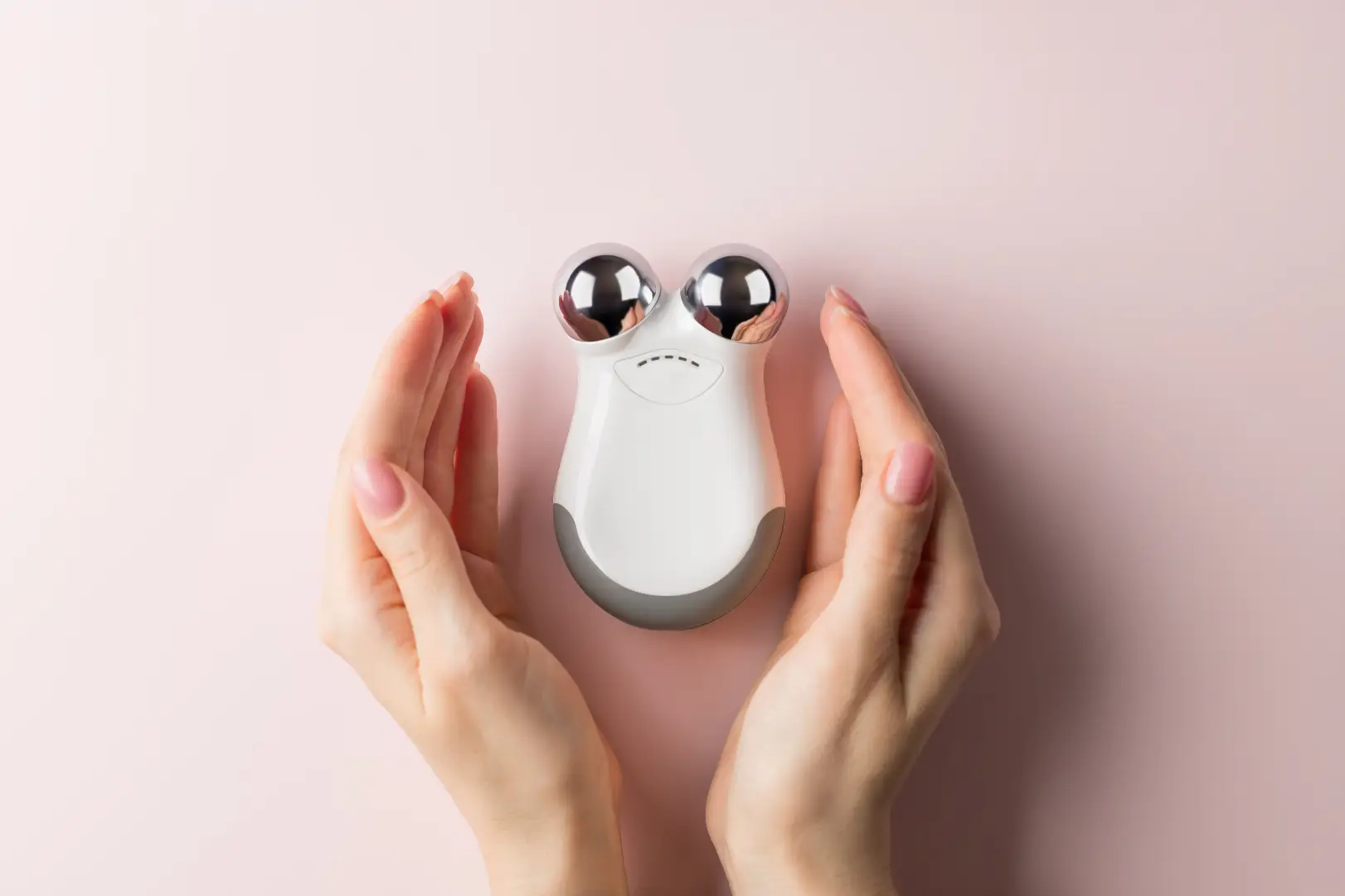
Scrolling through social media makes it seem as though flawless skin is just one purchase away. LED face masks promise a brighter complexion, handheld radiofrequency devices claim to tighten loose skin, and microneedling rollers are marketed as simple tools for smoother, younger-looking skin: all from the comfort of home. With so many options available, it’s understandable why people wonder whether they still need to visit a med spa.
The truth is that home skincare devices can play a role in a skincare routine, but they’re not designed to replace professional care. While some devices may help maintain results or support healthy skin habits, they generally operate at lower energy levels and are intended for consumer use rather than delivering the advanced outcomes possible with medical-grade technology. That’s why professional treatments remain the gold standard for addressing concerns such as deeper wrinkles, significant sun damage, skin laxity, acne scars, and uneven texture.
Before investing in the latest skincare gadget, it’s worth understanding what these devices can and can’t do. Keep reading to discover what medical providers want patients to know about at-home skincare devices and why professional guidance remains one of the most valuable investments you can make in your skin.
What Is a Med Spa?
Before comparing home devices with professional treatments, it’s helpful to understand what a med spa offers. A medical spa combines advanced aesthetic treatments with medical expertise to provide personalized care for both cosmetic concerns and overall wellness.
Unlike traditional spas that focus primarily on relaxation, med spas use clinically proven technologies and medical-grade treatments designed to improve skin health, facial rejuvenation, body contouring, and other wellness goals.
Advanced Health and Aesthetics emphasizes individualized care through thoughtfully curated treatment plans. Alongside advanced aesthetic procedures, the practice also offers wellness services that support healthy aging and overall well-being, creating a personalized approach rather than relying on one treatment for every patient.
Do At-Home Skincare Devices Actually Work?
At-home skincare technology has improved dramatically over the past several years.
Some devices can complement a healthy skincare routine, but many misconceptions still surround what they can realistically accomplish. Understanding these differences helps patients make informed decisions before investing time and money into home treatments.
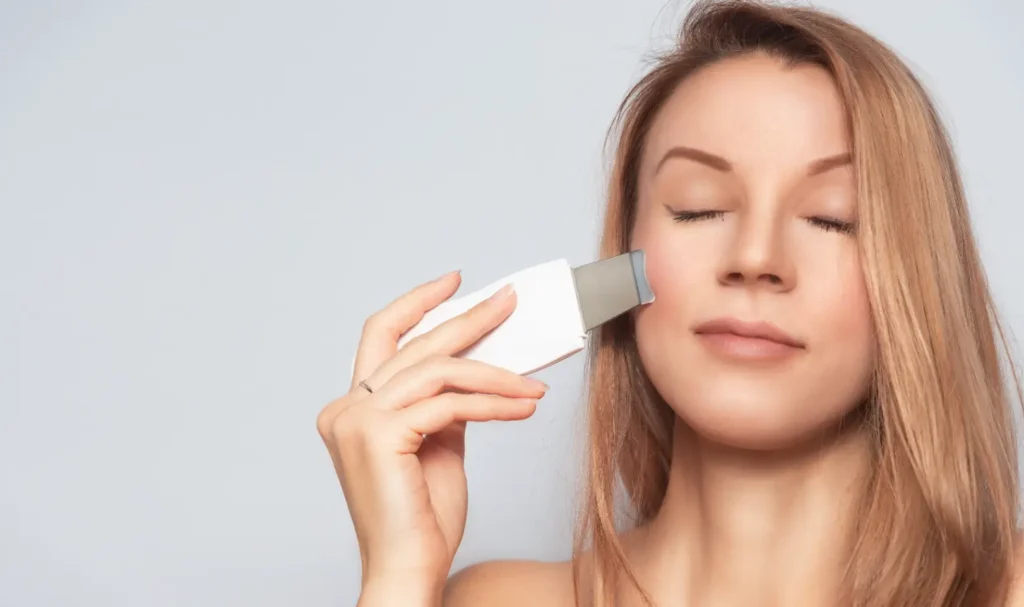
Myth #1: At-Home Devices Work the Same as Professional Treatments
It’s easy to assume that a home device is simply a smaller version of the equipment found in a med spa. In reality, that’s rarely the case. Professional devices are designed for use under medical supervision and are often capable of delivering higher levels of energy or reaching deeper treatment depths than consumer products. These advanced settings allow providers to target concerns more effectively while monitoring safety throughout the procedure.
At-home devices, by comparison, are intentionally designed with lower settings for everyday consumer use. This makes them more suitable for maintenance but generally limits the level of correction they can achieve.
When comparing professional vs. at-home skincare, it’s important to remember that both have a place, but they serve different purposes. Professional treatments are typically chosen when patients want noticeable improvements in skin texture, pigmentation, fine lines, or skin laxity that extend beyond what a home device can realistically deliver.
Myth #2: Using It More Often Means Better Results
When results don’t appear immediately, it’s tempting to think that increasing treatment frequency will speed up the process. Unfortunately, skin doesn’t always respond that way.
Overusing skincare devices may increase irritation without providing additional benefit. The skin needs time to recover between treatments, particularly when devices create controlled stimulation within the skin. Whether you’re using cleansing brushes, LED devices, or other technologies, following manufacturer instructions is essential.
Healthy skin responds best to consistency, not excessive treatment. This is another reason professional providers develop personalized treatment schedules rather than encouraging daily use of every available device.
Myth #3: At-Home Microneedling Is Just as Effective
Few devices have gained as much attention as at-home microneedling tools. Dermal rollers and other consumer products are widely marketed as convenient alternatives to professional microneedling. While these devices may create superficial stimulation, they are fundamentally different from medical microneedling procedures performed in a clinical setting.
Professional microneedling systems are designed to create controlled, consistent microchannels at carefully selected depths based on the patient’s skin concerns. An at-home derma roller, on the other hand, typically uses shorter needles and may not provide the same level of precision or consistency. Improper technique or inadequate cleaning may also increase the risk of skin irritation or infection.
Patients considering microneedling for acne scars, wrinkles, or significant texture concerns generally achieve more predictable outcomes through professionally performed treatments tailored to their individual skin.
Myth #4: LED Masks Replace Professional Treatments
LED masks have become one of today’s most popular skincare devices. Many patients ask whether LED mask results are comparable to treatments performed in a medical setting. The answer depends on your expectations.
LED light therapy may support overall skin health and can be a helpful addition to an at-home skincare routine for certain patients. However, consumer LED masks generally operate at lower power levels than professional equipment.
For patients with more advanced concerns, LED therapy alone is unlikely to replace treatments such as microneedling, radiofrequency procedures, laser therapy, or other professional skin treatments that target deeper structural changes within the skin. Instead, many providers view LED masks as maintenance tools that complement, not replace, professional care.
The Biggest Myth: Every Skin Concern Has a Device
One reason skincare device myths continue to spread is that marketing often suggests that a single product can address every concern. Healthy skin is far more complex.
Fine lines, pigmentation, acne scars, redness, enlarged pores, volume loss, and skin laxity all develop for different reasons. A device that’s helpful for one concern may have little effect on another. That’s why successful skincare starts with identifying what’s actually causing the concern before choosing a treatment.
Rather than purchasing multiple devices through trial and error, many patients benefit from beginning with a professional skin evaluation. That assessment helps determine which treatments are appropriate, which products may support healthy skin, and whether home devices are likely to provide meaningful benefit.
For patients exploring medical-grade skincare in White Plains, this personalized approach often saves both time and frustration while creating a treatment plan that’s built around individual goals rather than marketing claims.
When At-Home Devices Can Be Helpful
At-home skincare devices aren’t useless; they simply have a different role than professional treatments. For many patients, these tools work best as part of a long-term maintenance routine rather than as standalone solutions for more significant skin concerns. Used correctly and consistently, certain devices may help support healthy skin between professional appointments.
Depending on the device and your skin goals, at-home treatments may help:
- Maintain professional treatment results
- Support a consistent skincare routine
- Improve product absorption when appropriate
- Encourage healthy skincare habits
- Complement medical-grade skincare products
The key is having realistic expectations. Home devices are generally designed for gradual improvements and ongoing maintenance, while professional treatments are intended to address more advanced concerns with greater precision.
Great Skin Comes From Smart Decisions
While home skincare devices can be a valuable addition to a daily routine, they aren’t designed to replace the expertise, advanced technology, and personalized care available at a med spa. Professional treatments are tailored to your unique skin concerns and use medical-grade devices capable of addressing issues that consumer products often cannot. Understanding the difference allows patients to make informed choices and build a skincare routine that supports both immediate improvements and long-term skin health.
At Advanced Health and Aesthetics in White Plains, NY, every skincare journey begins with a personalized consultation because healthy, radiant skin is never one-size-fits-all. Whether you’re exploring advanced rejuvenation treatments or looking for guidance on which at-home products truly complement your routine, a customized plan can help you achieve results that reflect your individual goals.
Get in touch with us today to schedule your appointment!