

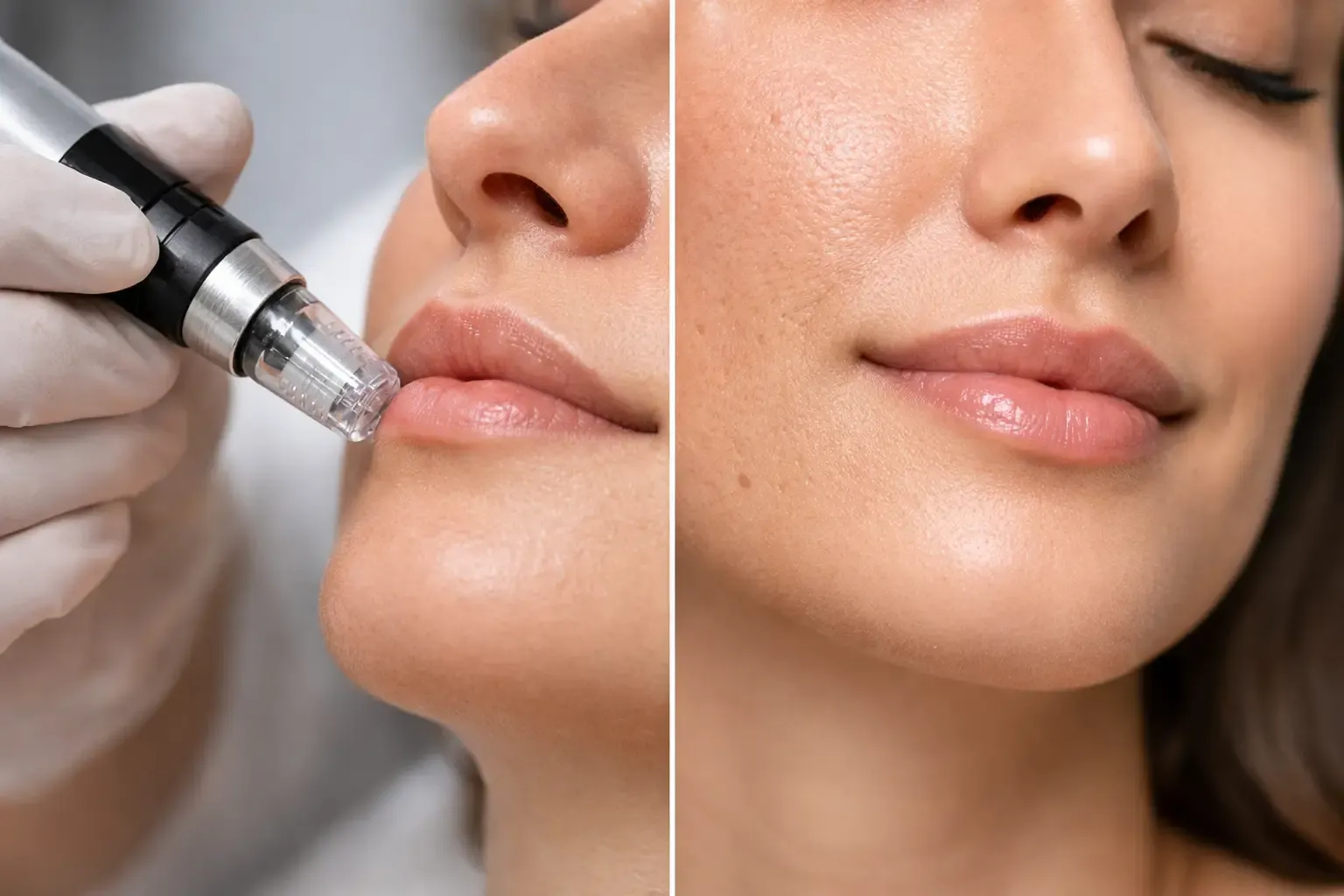
A close-up mirror can make uneven texture feel far more noticeable than it does to anyone else. Roughness, enlarged-looking pores, old acne marks, fine lines, and a dull, crepey quality often share one underlying concern: the skin is not reflecting light evenly. So, does microneedling help texture? For many patients, yes. When properly selected and professionally performed, microneedling can stimulate collagen remodeling that supports smoother, firmer, more refined-looking skin over time.
The key is setting the right expectation. Microneedling is not a one-treatment filter, and it is not designed to erase every type of scar or texture concern. It is a strategic collagen-induction treatment that works best within a personalized plan, with treatment depth, timing, skin preparation, and aftercare chosen for your skin’s needs.
How Microneedling Helps Improve Skin Texture
Microneedling uses a medical-grade device to create controlled microchannels in the skin. These precise channels prompt the body’s natural repair response, encouraging the production and reorganization of collagen and elastin. Collagen provides structure, while elastin supports bounce and resilience. As this remodeling process develops, the skin may look smoother, feel softer, and appear more even in tone and texture.
This process is particularly valuable because texture concerns often begin below the surface. A topical exfoliant can temporarily brighten the outermost layer of skin, but it cannot substantially rebuild areas where collagen has been disrupted by acne, sun exposure, aging, or inflammation. Microneedling addresses the skin’s structural support more directly.
Results develop gradually rather than overnight. Many clients notice an early glow once initial redness has resolved, but meaningful textural improvement typically becomes more visible over the following weeks as new collagen forms. A series of treatments is commonly recommended for more established concerns, especially acne scarring or significant unevenness.
Texture Concerns That May Respond Well
Microneedling can be an excellent option for mild to moderate roughness, enlarged-looking pores, fine lines, early skin laxity, and uneven texture related to photoaging. It is also frequently used for certain depressed acne scars, including rolling scars and some boxcar scars, where collagen loss creates an indentation in the skin.
It can improve the overall quality of skin that feels less smooth or looks less luminous under makeup. When light hits an even surface, it reflects more consistently. That refined quality is often what patients mean when they say they want their skin to look healthier, fresher, and more polished.
Not every scar responds in the same way. Deep ice-pick scars, thick raised scars, active cystic acne, and significant laxity may require another approach or a combination protocol. This is where an expert consultation matters. Treating the correct concern with the correct technology is essential to achieving a natural-looking improvement rather than simply adding more treatments.
Does Microneedling Help Texture From Acne Scars?
For the right type of acne scarring, microneedling can help soften the contrast between scarred and surrounding skin. The goal is not to promise that scars will disappear completely. Rather, treatment supports gradual collagen remodeling that can make depressions appear shallower and the skin surface look more uniform.
Acne scars are often complex. Some are tethered beneath the skin, some are sharply defined, and others occur alongside redness, discoloration, or active breakouts. A tailored plan may pair microneedling with other skin-rejuvenation strategies to address multiple layers of the concern. The best protocol depends on scar type, skin tone, current inflammation, and how much downtime fits your lifestyle.
Patients with a history of post-inflammatory hyperpigmentation require particular care. Experienced providers adjust treatment settings, preparation, and post-treatment skincare to protect the skin barrier and reduce unnecessary irritation. More aggressive is not always better. Thoughtful treatment can deliver visible refinement while respecting the skin’s capacity to heal well.
What a Professional Microneedling Treatment Feels Like
A professional treatment begins with an assessment of your skin, health history, aesthetic goals, and current skincare routine. This allows the provider to identify whether microneedling is appropriate and determine the treatment depth for different facial areas. Areas with thicker skin or deeper scars may be approached differently than delicate areas around the eyes.
A topical numbing cream is typically used to maximize comfort. During treatment, most patients describe a light stamping, vibrating, or scratch-like sensation rather than significant pain. The appointment itself is efficient, but the planning behind it should be precise.
At Advanced Health & Aesthetics, SKINStylus® Microneedling may be incorporated into a personalized skin-rejuvenation plan designed around your texture concerns, recovery preferences, and long-term aesthetic goals. For select candidates, complementary regenerative options such as PRP or JuveXO exosomes may also be considered based on clinical appropriateness.
Immediately afterward, skin commonly appears pink to red and may feel warm or tight, similar to a mild sunburn. Redness often improves within 24 to 72 hours, though the recovery experience varies with treatment depth and individual sensitivity. Some dryness, flaking, or a sandpaper-like texture can occur as the skin renews itself.
How Many Treatments Are Needed for Smoother Skin?
A single treatment can support a brighter, more refreshed appearance, but collagen remodeling is cumulative. For general texture refinement, many patients benefit from a series of three treatments spaced approximately four to six weeks apart. Deeper acne scarring or more significant texture changes may require additional sessions and a longer treatment plan.
Your timeline also depends on what “better texture” means to you. A patient preparing for an event may prioritize glow and minimal downtime. Someone focused on scar improvement may be comfortable committing to a more gradual series. Both goals are valid, but they call for different expectations and treatment decisions.
Once desired improvement is achieved, periodic maintenance may help preserve skin quality as collagen naturally changes with age. Consistent sun protection, a thoughtful home regimen, adequate protein intake, hydration, and overall wellness also influence how the skin looks and responds over time. Healthy skin is supported by more than one appointment.
What to Avoid Before and After Microneedling
In the days leading up to treatment, patients are usually advised to avoid excessive sun exposure, tanning, and products that can increase irritation, such as prescription retinoids or strong exfoliating acids. Your provider will give specific guidance based on your skin and current regimen.
After treatment, restraint is part of the result. Keep the skin clean, use only the recommended recovery products, avoid intense workouts and heat exposure for the advised period, and do not pick at flaking skin. Makeup may need to wait until the skin has settled. Daily broad-spectrum sunscreen is non-negotiable, especially when treating texture and discoloration.
Microneedling should be postponed if you have an active skin infection, open lesions, a significant acne flare, or a tendency toward abnormal scarring that has not been medically evaluated. Pregnancy, certain medications, and specific health conditions may also affect treatment eligibility. A qualified medical aesthetic provider can determine whether it is the right choice or whether another solution would better serve your goals.
The Difference Between a Treatment and a Strategy
At-home rollers and superficial devices may seem convenient, but they do not offer the precision, sterile technique, treatment depth, or individualized oversight of a professional procedure. Improper use can irritate the skin, spread bacteria, or worsen inflammation, particularly when acne or pigmentation is involved.
Professional microneedling is most effective when viewed as part of a broader skin strategy, not an isolated trend. The right approach may include clinical skincare, regenerative support, energy-based treatments, or targeted scar therapies, depending on what is creating the uneven texture in the first place.
If your goal is skin that looks refined rather than overtreated, begin with a thoughtful assessment instead of a one-size-fits-all solution. The most compelling microneedling results are built gradually: healthier collagen, a stronger skin foundation, and texture that looks naturally smoother in every light.