

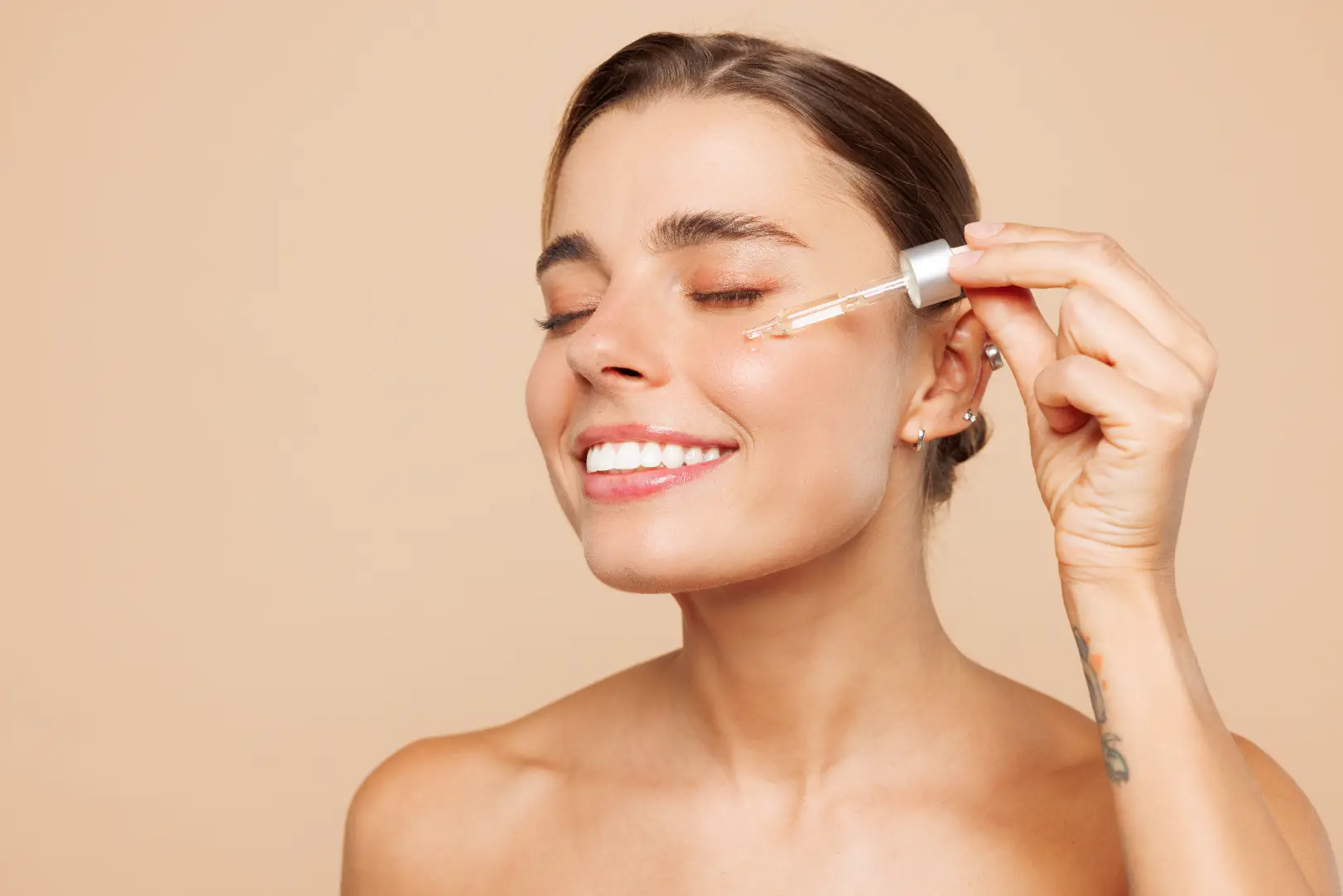
Healthy skin rarely comes from one dramatic appointment. More often, it improves through a series of thoughtful decisions made over time. Hydration, collagen support, skin quality, body composition, lifestyle, and the way your tissues respond to treatment can all influence what you see in the mirror.
That is where aesthetics can become more strategic. Instead of chasing one concern at a time, regenerative aesthetics focuses on building a longer-term plan around tissue quality, collagen support, and gradual improvement.
At Advanced Health and Aesthetics, services such as advanced therapies and aesthetic services can be considered as part of a broader wellness-focused approach. Keep reading to see what a realistic first year can look like and why pacing treatments often leads to more natural-looking progress.
What Are Regenerative Aesthetics?
Regenerative aesthetics is an approach to cosmetic care that focuses on supporting the skin and tissues over time rather than relying only on immediate correction. The goal is often to improve how the skin functions, remodels, and maintains structure while still addressing visible concerns such as laxity, texture, dullness, or changing contours.
A regenerative aesthetics plan may include treatments that support collagen remodeling, tissue quality, hydration, recovery, and overall wellness. The exact combination depends on what a practice offers and what the patient actually needs.
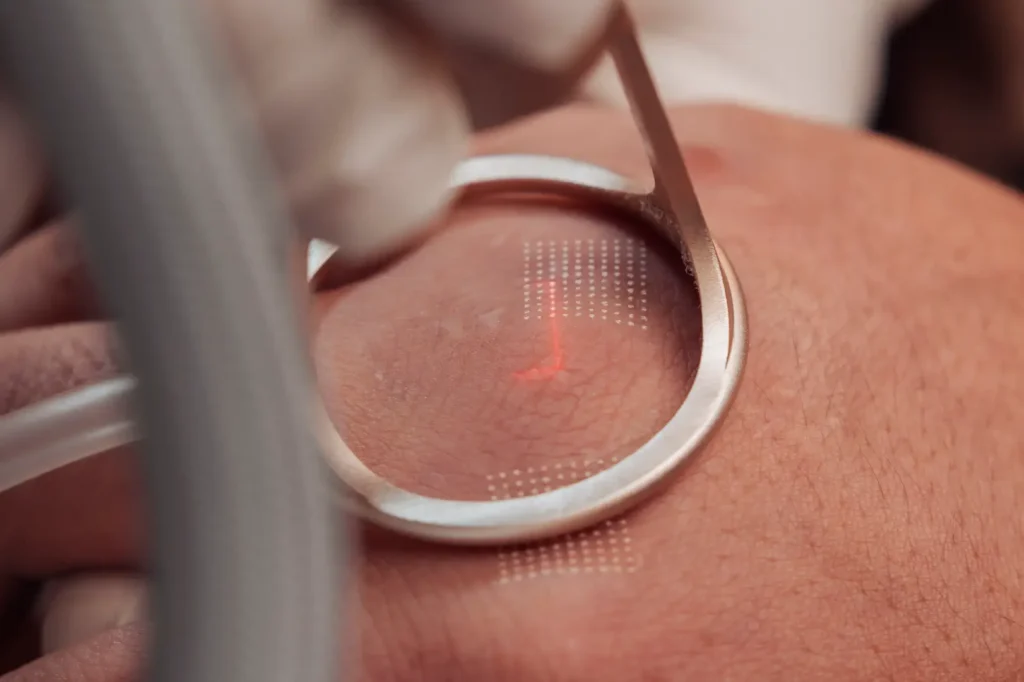
You may also hear about regenerative approaches such as a PRP and microneedling plan at other aesthetic practices. These treatments are often discussed because they aim to stimulate repair and collagen activity, but they should only be included in a plan when they are actually offered and clinically appropriate.
The important point is that regenerative care isn’t about stacking as many procedures as possible. It is about sequencing treatments so each one has a clear role.
What Your First Year Can Really Look Like
A strong first-year plan should feel organized, not overwhelming. The best approach usually moves from evaluation to foundation-building, then into targeted correction and maintenance.
Months 1 to 2: Start With the Baseline
The first step in any aesthetic treatment plan in White Plains should be understanding where you are starting. That means looking at more than fine lines or one area of laxity. A thoughtful assessment can consider skin quality, elasticity, hydration, facial structure, body contour concerns, previous treatments, lifestyle, and what changes matter most to you. This is also when expectations should be clarified.
Some patients want brighter skin and better texture. Others care more about firmness. Some want body contouring support. Others are interested in wellness services that complement their aesthetic goals. The first few weeks are therefore less about doing everything and more about deciding what deserves priority. This baseline helps prevent random treatment choices later.
Months 2 to 3: Build the Foundation
Once priorities are clear, the next stage is often about improving the conditions that support better results. For skin-focused patients, that may mean beginning with treatments that support hydration, barrier health, or overall skin quality before moving into deeper collagen stimulation. This part of the regenerative skin journey matters because skin that is constantly irritated, dehydrated, or poorly supported may not be the best place to begin aggressive treatment.
Professional skincare, medical facials, or other aesthetic services can be considered depending on the patient’s needs and what is available. Patients may also discuss broader lifestyle factors such as sleep, nutrition, hydration, and stress. These do not replace aesthetic procedures, but they can influence how the skin looks and responds over time. Think of this phase as setting the stage rather than chasing a dramatic before-and-after.
Months 3 to 5: Introduce Collagen-Focused Treatment
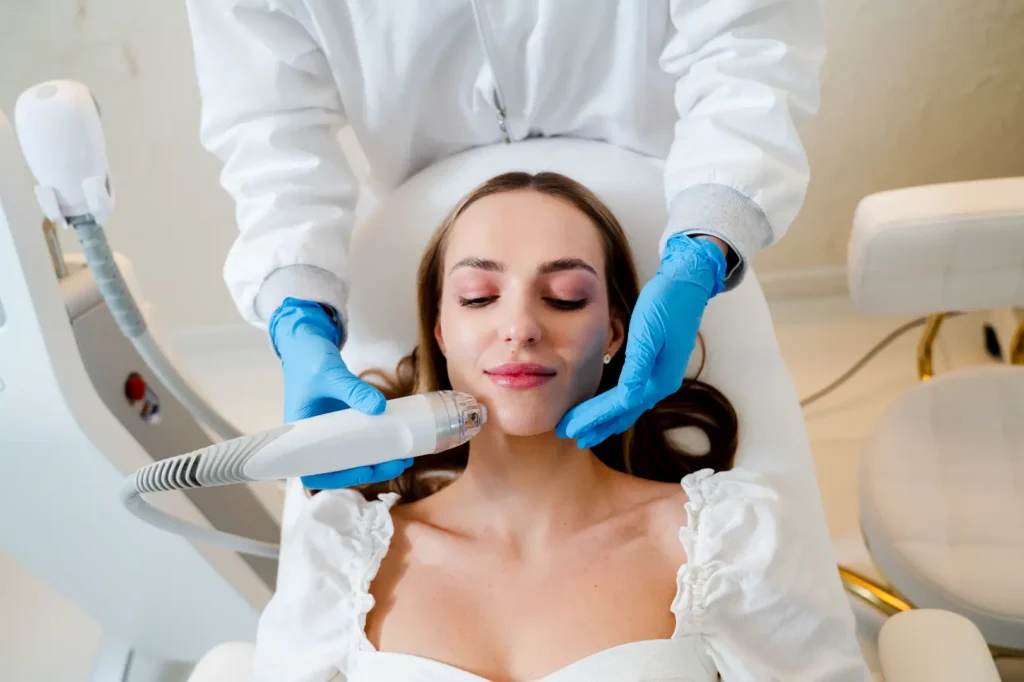
Once the skin is in a better place, this can be a good time to introduce treatments aimed at firmness and structural support. Density™ may fit here for appropriate patients. The technology is used for skin tightening and collagen and elastin restructuring. That makes it relevant when concerns include mild laxity, softer contours, or skin that has lost some of its resilience.
A collagen treatment timeline is important because these changes do not happen overnight. Collagen remodeling unfolds gradually. Patients may notice some improvement earlier, while additional changes continue developing as the tissue responds. This is exactly why a year-long plan makes sense.
If you evaluate a collagen-focused treatment after only a few days, you may underestimate what it can do. Giving the skin time to respond helps guide the next step more intelligently.
Months 4 to 6: Reassess Instead of Automatically Adding More
One of the easiest mistakes in aesthetics is assuming that more treatment always means better results. At the four- to six-month point, it can be useful to stop and reassess. Has the skin become firmer? Is texture improving? Are the original concerns still the same? Did one area respond more strongly than another?
These questions matter because a good treatment plan aesthetics approach should evolve. If the patient is already seeing meaningful improvement, the next step may be maintenance rather than escalation.
If another concern has become more noticeable, the plan can shift toward that area. This is also where natural-looking treatment begins to separate itself from overcorrection. You do not need to keep adding procedures just because they are available.
Months 5 to 7: Bring Body Goals Into the Plan
Regenerative aesthetics is not limited to facial skin. For patients interested in body contouring, this can be an appropriate stage to discuss technologies such as T-Shape2. T-Shape2 Contouring may be evaluated for goals involving skin tightening, cellulite, body contouring, and muscle-focused treatment.
The exact role depends on the patient’s body composition and what they want to improve. This can be especially helpful for someone whose first priority was facial skin but who also wants to work on areas of the body later in the year.
Separating these goals into phases can make the entire experience feel more manageable. It also gives the body time to respond before additional procedures are layered in.
Months 6 to 8: Think About Supportive Therapies
Midyear is also a useful point to consider whether wellness-focused services belong in the plan. Advanced Health and Aesthetics offers Advanced Therapies along with IV Drips & Injections. These services are selected according to individual health history and goals.
The important thing is not to treat IV therapy or other wellness services as magical shortcuts for younger-looking skin. Instead, they may serve as supportive options within a broader program when clinically appropriate.
For example, a patient may be interested in hydration support, nutritional support, or another medically guided therapy. These should still be chosen based on actual need rather than trend. This is where regenerative aesthetics can feel broader than a traditional cosmetic treatment plan.
It can consider how aesthetic goals and wellness goals intersect without pretending they are identical.
Months 7 to 9: Evaluate Your Natural Progress
By this point, your year should have enough distance behind it to evaluate trends rather than isolated moments. Look at the skin in similar lighting. Review photos if available. Pay attention to texture, firmness, and overall tone instead of focusing on one tiny imperfection. This helps reveal natural aesthetic results that develop gradually.
One of the benefits of a long-term plan is that change does not have to feel abrupt. Collagen remodeling, skin tightening, and improved tissue quality can build over time. Friends may notice that you look refreshed without knowing exactly what changed. That is often a better outcome than appearing dramatically different after one aggressive procedure.
Months 8 to 10: Add Maintenance, Not Clutter
Once meaningful improvement has developed, maintenance becomes more important than constant correction. This may mean repeating a treatment at a recommended interval, refreshing a facial plan, or adjusting home skincare.
The idea is to support what is working. Patients sometimes reach this stage and feel tempted to start several new treatments simply because the initial plan has been successful. That is not always necessary.
A smarter strategy is to ask which results need maintenance and which concerns have genuinely changed. The best first year skin treatments should build on one another rather than compete with one another.
Months 9 to 11: Prepare for Seasonal Changes
Skin needs can change with the weather. A patient who started the year dealing with dryness may later become more concerned with sun exposure, pigmentation, or texture. Likewise, winter may bring increased dehydration and sensitivity. This is why a year-long plan should remain flexible.
Treatment intensity, timing, and home skincare may all need seasonal adjustments. A patient undergoing skin-tightening treatment in one part of the year may benefit from more hydration-focused care in another. A regenerative plan should move with your skin rather than forcing the same routine every month.
Months 11 to 12: Review the Entire Year
The end of the first year is where the plan really becomes valuable. Instead of asking whether one treatment “worked,” you can evaluate the bigger picture.
How has your skin quality changed? Does your face look firmer? Are body-contouring goals progressing? Which treatments felt most worthwhile? Which ones required more maintenance than expected? This review can help shape the second year.
Some patients may need fewer treatments moving forward because they are maintaining improvements. Others may decide to shift their focus toward a different concern. That is the advantage of having a plan rather than a collection of random appointments.
Build a Year That Makes Sense for You
A full year of aesthetics does not need to be packed with constant procedures. It should feel intentional, paced, and shaped around what your skin and body actually need at each stage.
At Advanced Health and Aesthetics in White Plains, NY, patients can explore a personalized regenerative approach using available aesthetic services and advanced therapies. A well-built first year is not about doing everything. It is about creating a thoughtful sequence that supports healthier-looking skin, balanced results, and a plan you can actually maintain.
Contact us today to book your appointment!