

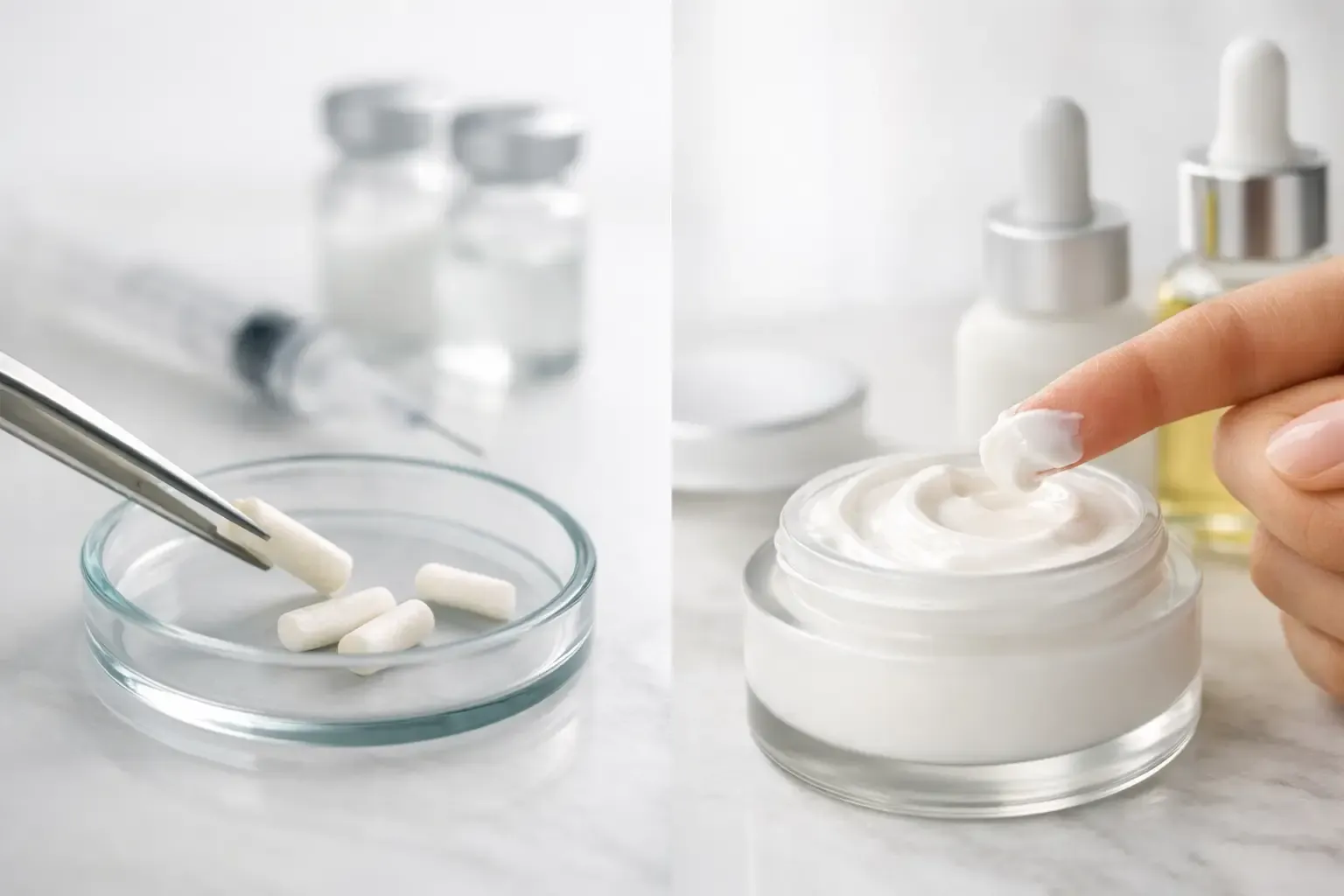
A sudden drop in energy, a body composition plateau, disrupted sleep, diminished libido, or feeling unlike yourself can make hormone therapy feel urgent. Yet the right treatment is rarely about choosing the option that sounds strongest or most convenient. When considering hormone pellets versus creams, the more meaningful question is which delivery method gives your body the appropriate dose, the right degree of flexibility, and a plan that can be monitored with precision.
Hormone optimization should support the way you want to live: energized, confident, clear-headed, and at home in your body. For some clients, pellets offer welcome simplicity. For others, topical therapy offers the dose control needed during a changing season of health. A thoughtful evaluation makes the difference.
Why the delivery method matters
Hormones affect far more than a single symptom. Estrogen, progesterone, and testosterone can influence sleep quality, mood, sexual wellness, muscle maintenance, temperature regulation, bone health, skin quality, and metabolic health. Symptoms may overlap with thyroid concerns, nutrient deficiencies, chronic stress, medication effects, insulin resistance, or changes in sleep and nutrition.
That is why a refined hormone plan begins with a complete clinical conversation, appropriate laboratory testing, medical history, medications, and personal goals. A treatment method should never be selected simply because a friend had a positive experience with it.
The delivery method influences how hormones enter the bloodstream, how quickly a dose can be adjusted, and what happens if the dose does not feel right. Those practical differences are central to a safe, personalized decision.
Hormone pellets: consistent delivery with less flexibility
Hormone pellets are small, solid implants, often placed beneath the skin in the upper buttock or hip area during an in-office procedure. They slowly release hormone over time, typically for several months. Pellets may contain estrogen or testosterone, depending on the individual and the treatment plan.
For the right candidate, the appeal is clear. There is no daily application to remember, no concern about transferring topical hormone to a partner or child, and no routine of refills or application sites. Many clients appreciate the consistency and the discreet nature of treatment, particularly when their schedules are demanding.
That convenience comes with a meaningful trade-off: once a pellet is inserted, the dose cannot simply be turned down. If a client experiences unwanted effects, the hormone exposure may continue until the pellet naturally wears down. Although pellets can sometimes be removed, removal is not always simple or complete.
Potential side effects depend on the hormone used and the dose, but can include acne, increased facial or body hair, scalp hair shedding, breast tenderness, mood changes, fluid retention, or changes in bleeding patterns. Higher-than-needed testosterone exposure can be particularly concerning for women because some androgenic effects may take time to resolve. Men may also need careful monitoring for changes related to testosterone therapy, including red blood cell levels, prostate health considerations, and fertility goals.
Pellet therapy also requires realistic expectations. A long-lasting dose may be appealing when symptoms are stable, but it is less ideal when a person is new to hormone therapy, still determining the lowest effective dose, or navigating major shifts in weight, health status, or medications.
Hormone creams: adaptable, but dependent on daily consistency
Hormone creams are applied to the skin, allowing medication to absorb gradually. The term can describe compounded topical preparations as well as certain prescription products. Not all creams are interchangeable, and the quality, formulation, hormone type, and intended use matter.
The strongest advantage of a cream is flexibility. If symptoms improve but side effects develop, the prescribing clinician can adjust the dose or application schedule. If a client decides to stop therapy, topical hormone levels generally decline more quickly than with an implanted pellet. This makes creams especially useful when beginning treatment or fine-tuning a protocol.
Daily use is the commitment. Creams must be applied consistently, to the designated site, and according to the prescribed instructions. Skipping doses or applying an inconsistent amount can lead to uneven results. With some topical hormones, there is also a risk of skin-to-skin transfer before the area has fully dried, making careful application habits essential.
Absorption can vary between individuals and can be affected by application technique, skin condition, and product formulation. The answer is not automatically a higher dose. It is careful follow-up, symptom review, and medically appropriate testing.
For women using systemic estrogen who have a uterus, endometrial protection is a critical part of the conversation. Estrogen therapy may require an appropriate progestogen to help protect the uterine lining. A topical progesterone cream should not be assumed to provide adequate protection unless a qualified clinician has specifically prescribed and monitored it for that purpose.
Hormone pellets versus creams: the decision points
Dosing control and adjustment
Creams generally provide greater day-to-day flexibility. They allow for more measured adjustments as your provider observes symptom response, laboratory values when indicated, and possible side effects. Pellets provide sustained delivery but offer far less control once placed.
For a client who has never used hormone therapy, a more adjustable method may be the more prudent starting point. For someone with a well-established, stable need and a clear understanding of the benefits and limitations, pellets may be worth discussing.
Convenience and lifestyle
Pellets suit clients who value a low-maintenance approach and are comfortable with an in-office procedure several times a year. Creams suit clients who prefer avoiding procedures and do not mind incorporating a precise daily step into their wellness routine.
Neither choice is inherently more sophisticated. The most elevated care is treatment that integrates naturally into your lifestyle without compromising safety or effectiveness.
Hormone type and clinical goals
The best delivery system can differ depending on whether treatment involves estrogen, testosterone, progesterone, or a combination. It can also differ based on whether the goal is management of menopausal symptoms, sexual wellness, support for clinically diagnosed low testosterone, or another medically appropriate indication.
In the United States, many pellet and compounded cream formulations are customized products rather than FDA-approved medications. This does not automatically mean they are inappropriate, but it does mean clients should understand the distinction, the evidence behind the treatment, and how quality and monitoring will be handled. FDA-approved options exist for certain hormone therapies, including several transdermal estrogen products, while treatment options and approvals vary by hormone and patient population.
Safety and monitoring
A premium experience should never mean a one-size-fits-all prescription. Hormone treatment may not be appropriate for everyone, including people with certain hormone-sensitive cancers, unexplained vaginal bleeding, a history of blood clots, liver disease, or other significant medical considerations. The safety profile also changes based on the hormone, route, dose, age, and personal health history.
Follow-up should be built into the treatment plan. That includes reviewing symptom changes, blood pressure, body composition goals, sleep, mood, and relevant labs. New or concerning symptoms such as unusual bleeding, chest pain, shortness of breath, severe headaches, or leg swelling require prompt medical attention.
Who may be better suited to each option?
Pellets may appeal to a client whose hormone needs have been stable, who has responded well to a similar regimen, and who wants fewer treatment touchpoints. They are not necessarily the best choice for someone who is highly sensitive to hormonal shifts, wants maximum control over dose changes, or is just beginning the process of optimization.
Creams may be a strong fit for a client who values gradual, responsive dose adjustments or prefers a non-procedural approach. They require consistency and careful instruction, so they are less appealing for someone who knows daily medication routines are difficult to maintain.
The decision can also change over time. A method that works beautifully during one phase of life may no longer be the ideal choice after a health change, a new medication, changing symptoms, or a shift in personal priorities.
A personalized standard for hormone optimization
At Advanced Health & Aesthetics, hormone optimization is considered within the broader picture of metabolic health, nutrition, body composition, sleep, stress, and aesthetic goals. The Redefined Method™ recognizes that a hormone plan is not a standalone service. It should complement the systems that shape how you feel, perform, and age.
The most effective protocols are measured rather than aggressive. They prioritize the lowest effective dose, clear treatment goals, ongoing assessment, and natural-looking, natural-feeling results. That approach protects both your comfort and your confidence.
The right choice between pellets and creams begins with a thorough evaluation, not a trend. When the method, dose, and follow-up plan are tailored to your physiology and goals, hormone care can become a considered part of feeling stronger, more vital, and more like yourself.