

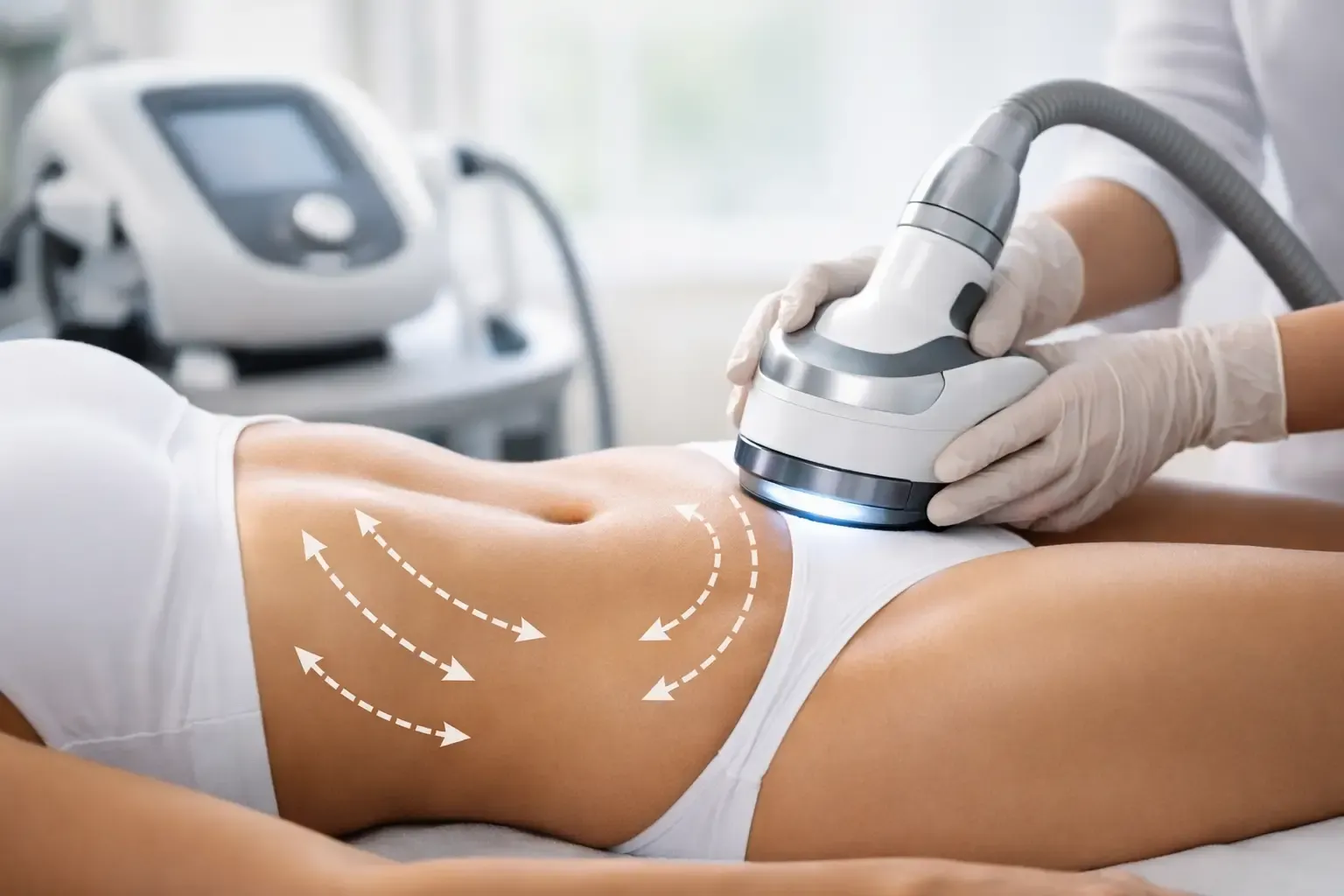
The scale may be moving, your wardrobe may fit differently, and yet a small pocket of fullness at the abdomen, flanks, thighs, upper arms, or beneath the chin can remain. This is where many people begin asking how body contouring targets stubborn fat – and whether it can create the refined, proportionate result that diet and exercise alone have not delivered.
Body contouring is not a substitute for meaningful weight loss or a healthy lifestyle. It is a strategic aesthetic treatment designed to address localized concerns that are often influenced by genetics, hormones, age, and individual fat distribution. When the right technology is selected and treatment is thoughtfully tailored, it can support visible improvements in contour with natural-looking results.
Why Certain Fat Deposits Resist Diet and Exercise
The body does not reduce fat from every area at the same pace. During weight loss, genetics help determine which fat cells release stored energy more readily and which areas hold on longer. For some people, the lower abdomen changes last. For others, it is the inner thighs, bra-line area, love handles, or upper arms.
Hormonal shifts can add another layer. Changes associated with perimenopause, menopause, testosterone levels, insulin sensitivity, stress, and sleep can affect body composition and where the body preferentially stores fat. Even highly disciplined individuals may notice that their silhouette no longer responds as it once did.
That does not mean the body has failed or that more extreme dieting is the answer. It means a body-composition concern deserves a more precise approach. Medical weight management, clinical nutrition, hormone evaluation when appropriate, and aesthetic contouring can each serve a distinct role in a complete plan.
How Body Contouring Targets Stubborn Fat at the Source
Non-surgical body contouring treatments use controlled energy or temperature-based technology to affect subcutaneous fat, the layer of fat located beneath the skin. Depending on the device and treatment area, the technology may use radiofrequency, ultrasound, cooling, laser energy, mechanical massage, or a combination of modalities.
The goal is not to force dramatic, overnight weight loss. Instead, treatment is intended to disrupt or damage a portion of targeted fat cells in a specific area while preserving surrounding tissue. The body then gradually processes those cells and their contents through its natural metabolic and lymphatic pathways. This is why changes develop over time rather than immediately after an appointment.
Because treated fat cells can be reduced, the improvement in that particular area may be long-lasting. However, remaining fat cells can still enlarge with future weight gain. Maintaining a stable weight, supporting metabolic health, and following an individualized wellness plan are essential to protecting the result.
Different Technologies, Different Advantages
No single modality is ideal for every body or every concern. A treatment that is effective for a pinchable pocket of abdominal fat may not be the best choice for mild skin laxity, diffuse fullness, or cellulite texture.
Radiofrequency-based contouring uses carefully controlled heat to support fat reduction while also encouraging collagen remodeling in the skin. This can be especially valuable for clients who want a smoother, firmer appearance as they refine an area. Treatments such as T-Shape2 may be considered when the clinical assessment calls for a combined approach to contour, circulation, and skin quality.
Other technologies may use cold temperatures to selectively affect fat cells, focused ultrasound to deliver energy beneath the skin, or mechanical techniques that support tissue mobilization and lymphatic flow. The correct choice depends on the thickness and location of the fat, skin elasticity, medical history, timeline, and desired degree of change.
A credible consultation should never promise that one device can solve every concern. The most elegant outcomes come from matching the treatment to the anatomy, not from applying the same protocol to every client.
What Body Contouring Can and Cannot Do
The best candidates are generally close to a stable, sustainable weight and are bothered by discrete areas of fullness that do not reflect their overall efforts. They are seeking refinement, not a replacement for a weight-loss program or surgery.
Body contouring can help improve the transition between the waist and hips, soften a lower-abdominal bulge, refine the flanks, or improve the appearance of other localized areas. It may also be paired with skin-focused treatments when laxity is part of the concern. Results tend to look most natural when the improvement is proportional to the rest of the body.
There are important limits. Non-surgical contouring does not treat obesity, remove large volumes of fat, or tighten significant excess skin. It is also not the right treatment for every person. Individuals who are pregnant, have certain implanted devices or medical conditions, have an active skin infection, or have contraindications specific to a technology may need to postpone treatment or consider another option.
For clients with more substantial weight-loss goals, medically supervised weight loss may be the more appropriate first step. Once weight has stabilized, body contouring can help address the areas that remain resistant. This sequencing often produces a more satisfying and sustainable aesthetic result.
The Importance of Skin Quality and Body Composition
A flatter area is not automatically a more refined area. If skin has lost elasticity due to aging, pregnancy, weight fluctuations, or sun exposure, reducing fat alone may not deliver the appearance a client expects. Skin quality, muscle tone, hydration, inflammation, and posture all influence how a contour reads in clothing and in photographs.
This is why a comprehensive assessment matters. A provider should evaluate not only where fat is located, but also the integrity of the skin overlying it, the likelihood of volume change, and whether metabolic or hormonal factors may be contributing to the concern. In some cases, combining body contouring with collagen-supportive treatments, nutrition guidance, or a muscle-building fitness strategy creates a more balanced outcome than contouring alone.
At Advanced Health & Aesthetics, this personalized perspective is central to The Redefined Method™, which considers wellness, metabolism, nutrition, body composition, skin health, and aesthetics as connected components of transformation. The treatment plan should reflect your whole picture, not simply the area you would like to change.
What to Expect From the Treatment Process
The experience begins with a consultation that clarifies your goals and determines whether your concern is primarily localized fat, skin laxity, cellulite, fluid retention, or a combination. Your provider should discuss the available options, expected number of sessions, treatment sensation, downtime, and realistic timeline for visible change.
Many non-surgical treatments are performed in-office and allow clients to return to normal routines quickly, although temporary redness, tenderness, swelling, bruising, or sensitivity can occur depending on the modality. Some treatments feel warm, cool, or like a deep massage. Comfort measures and aftercare should be reviewed before treatment begins.
Results are gradual. The body needs time to respond to treatment and clear affected fat cells, while collagen remodeling also unfolds over weeks to months. Some clients see early changes within several weeks, but a fuller result may take two to three months or longer. A series of treatments may be recommended, particularly when the goal includes both contour refinement and skin improvement.
Photography, measurements, and consistent follow-up can be more meaningful than relying on day-to-day mirror checks. Subtle improvements are easier to appreciate when they are documented with the same lighting, angles, and clothing.
Choosing a Thoughtful, Results-Focused Plan
The most successful contouring plans are not built around a trend or a single machine. They begin with a clear understanding of what is actually causing the concern, then use evidence-based treatments that fit the client’s goals, lifestyle, and health profile.
If a localized area continues to feel out of proportion despite consistent effort, a personalized consultation can provide clarity. The right plan should leave you feeling more aligned with the work you are already doing for your health – refined, confident, and unmistakably yourself.