


You eat nutritious meals, take your daily vitamins, drink plenty of water, and do your best to stay healthy. Yet there are still days when your energy feels depleted, your recovery takes longer than expected, or your body simply doesn’t seem to bounce back the way it used to. It’s a common experience, and it often leads people to ask whether they’re getting the most out of the supplements they’re already taking or if there’s another approach worth considering.
One option that has gained attention in recent years is IV therapy. Unlike oral supplements, which must travel through the digestive system before nutrients are absorbed, IV therapy delivers fluids and selected nutrients directly into the bloodstream under medical supervision. That difference naturally raises an important question: when does infusion actually matter, and when are oral supplements enough?
The answer isn’t as simple as declaring one better than the other. Each approach has its place depending on your health, lifestyle, and wellness goals. If you’ve been wondering whether IV therapy deserves a place in your wellness routine, continue reading as we explore the differences and when each option may be appropriate.
What Is IV Therapy?
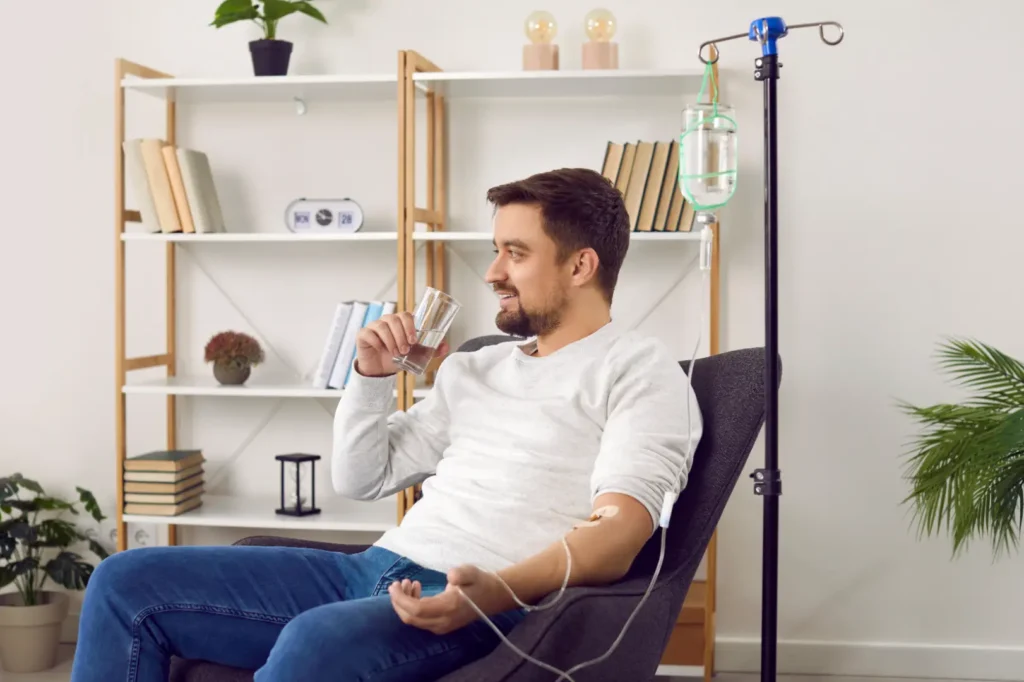
Before comparing delivery methods, it’s helpful to understand what IV therapy involves. IV (intravenous) therapy is a wellness treatment that delivers fluids directly into the bloodstream through a small intravenous catheter.
Depending on your individual needs, an infusion may contain hydration fluids along with carefully selected vitamins, minerals, electrolytes, amino acids, or other nutrients recommended by your medical provider. Unlike oral supplements, which pass through the digestive tract before nutrients are absorbed, IV therapy bypasses the digestive system entirely.
Depending on your personalized wellness plan, IV therapy may be used to support:
- Hydration
- Recovery after physical activity
- General wellness
- Energy support
- Nutritional supplementation when appropriate
- Immune system support as part of an individualized care plan
Because every patient has different health goals, IV therapy is personalized rather than standardized, beginning with a medical evaluation to determine the most appropriate treatment approach.
When Does Infusion Actually Matter?
Oral vitamins have been a wellness staple for decades, and for many people, they continue to be an appropriate way to support a balanced lifestyle. At the same time, IV therapy offers a different method of nutrient delivery that may be beneficial in specific situations.
Understanding how these two approaches differ helps patients make informed decisions rather than relying on marketing claims or wellness trends.
How Oral Supplements Work
For most healthy individuals, oral supplements remain a practical and effective option. When you swallow a vitamin or mineral, it travels through your digestive system before nutrients are absorbed into the bloodstream. The amount ultimately absorbed depends on several factors, including the specific nutrient, digestive health, diet, and individual physiology.
This process is completely normal and works well for many people. Oral supplements offer several advantages:
- Convenient daily use
- Widely available
- Easy to incorporate into long-term wellness routines
- Appropriate for many nutritional needs
When discussing IV vs. oral vitamins, it’s important to recognize that oral supplementation remains an excellent option for many patients, particularly when combined with healthy eating habits.
How IV Therapy Is Different
The primary difference between oral supplements and IV therapy is the delivery method. Instead of passing through the digestive tract, IV therapy delivers fluids and selected nutrients directly into the bloodstream through intravenous infusion.
This difference affects IV therapy absorption, as nutrients administered intravenously bypass digestive processing before entering circulation. You’ll often hear the term bioavailability in IV therapy during these discussions.
Bioavailability refers to how much of a nutrient becomes available to the body after administration. Because IV nutrients enter directly into the bloodstream, their route of delivery differs from oral supplements, which undergo digestion before absorption.
This distinction doesn’t automatically mean IV therapy is necessary for everyone, but it helps explain why some patients and providers consider it in certain circumstances.
When Infusion May Be Worth Considering
One of the biggest misconceptions is that everyone should replace oral vitamins with IV therapy. That’s simply not true. Instead, IV therapy may be considered when a personalized evaluation suggests it aligns with a patient’s health goals and current circumstances.
Some situations where patients discuss when to get IV therapy with their provider include:
- Recovery after intense physical activity
- Busy travel schedules
- Temporary hydration support
- Wellness optimization
- Nutritional support for select individuals
- Periods of increased physical or mental demands
The keyword is “individualized.” Rather than recommending infusions for every patient, medical providers evaluate your health history, symptoms, medications, lifestyle, and wellness objectives before recommending treatment.
Looking Beyond Wellness Trends
Search online for “Do IV drips work?” and you’ll quickly find strong opinions on both sides. The reality is more balanced. IV therapy isn’t a miracle treatment, nor is it simply a passing wellness fad. Like many medical services, its value depends on selecting the right patients for the right reasons.
A thoughtful medical evaluation considers:
- Your current health
- Hydration status
- Lifestyle demands
- Existing medical conditions
- Nutritional goals
- Previous treatments
This individualized approach helps distinguish evidence-informed care from generalized wellness marketing. For patients comparing IV vs. supplements in White Plains, consulting with an experienced medical provider offers a far more reliable source of guidance than online trends alone.
Personalized Wellness Delivers Better Results
Perhaps the biggest takeaway is that wellness isn’t one-size-fits-all. Some patients maintain excellent health with balanced nutrition and oral supplementation alone. Others may benefit from IV therapy during specific situations or life events.
The goal isn’t to replace healthy habits. It’s to determine which combination of nutrition, hydration, lifestyle choices, and medical care best supports your individual health goals.
Rather than asking whether one option is universally better, the more helpful question is: “Which approach makes the most sense for me?”
Choosing the Right Wellness Strategy
No two patients have identical nutritional needs or wellness goals. Someone training for an athletic event may have different priorities than a busy executive preparing for frequent travel or a patient recovering from an illness. That’s why personalized care is one of the most important aspects of any wellness plan.
Before recommending IV therapy, providers typically consider:
- Your medical history
- Current medications
- Lifestyle habits
- Dietary intake
- Hydration status
- Activity level
- Individual wellness goals
This comprehensive evaluation helps determine whether IV therapy is appropriate or whether oral supplementation and healthy lifestyle habits are sufficient. A personalized approach often provides more meaningful guidance than following the latest wellness trend.
Healthy Habits Still Come First
One of the biggest misconceptions about IV therapy is that it can replace healthy living. It can’t. Whether you receive IV therapy or take daily supplements, your overall health is still influenced by the choices you make every day.
Supporting your wellness includes:
- Eating a balanced, nutrient-rich diet
- Staying physically active
- Drinking enough water
- Getting consistent sleep
- Managing stress
- Attending regular medical checkups
These habits remain the foundation of long-term wellness. IV therapy may complement these efforts for appropriate patients, but it isn’t intended to replace them.

Better Wellness Begins With Better Information
IV therapy and oral supplements each have an important place in modern wellness. While oral vitamins remain an excellent choice for many people, IV therapy offers a different method of nutrient delivery that may be appropriate in certain situations under medical supervision. Understanding the differences in delivery, absorption, and individualized care allows patients to make informed decisions that align with their health goals rather than relying on trends alone.
At Advanced Health and Aesthetics in White Plains, NY, wellness begins with personalized care, not one-size-fits-all recommendations. Through comprehensive evaluations and customized treatment plans, patients receive guidance based on their individual health, lifestyle, and goals. If you’re wondering whether IV therapy fits into your wellness journey, a professional consultation can help you explore your options with confidence.
Contact us today to book your appointment!