

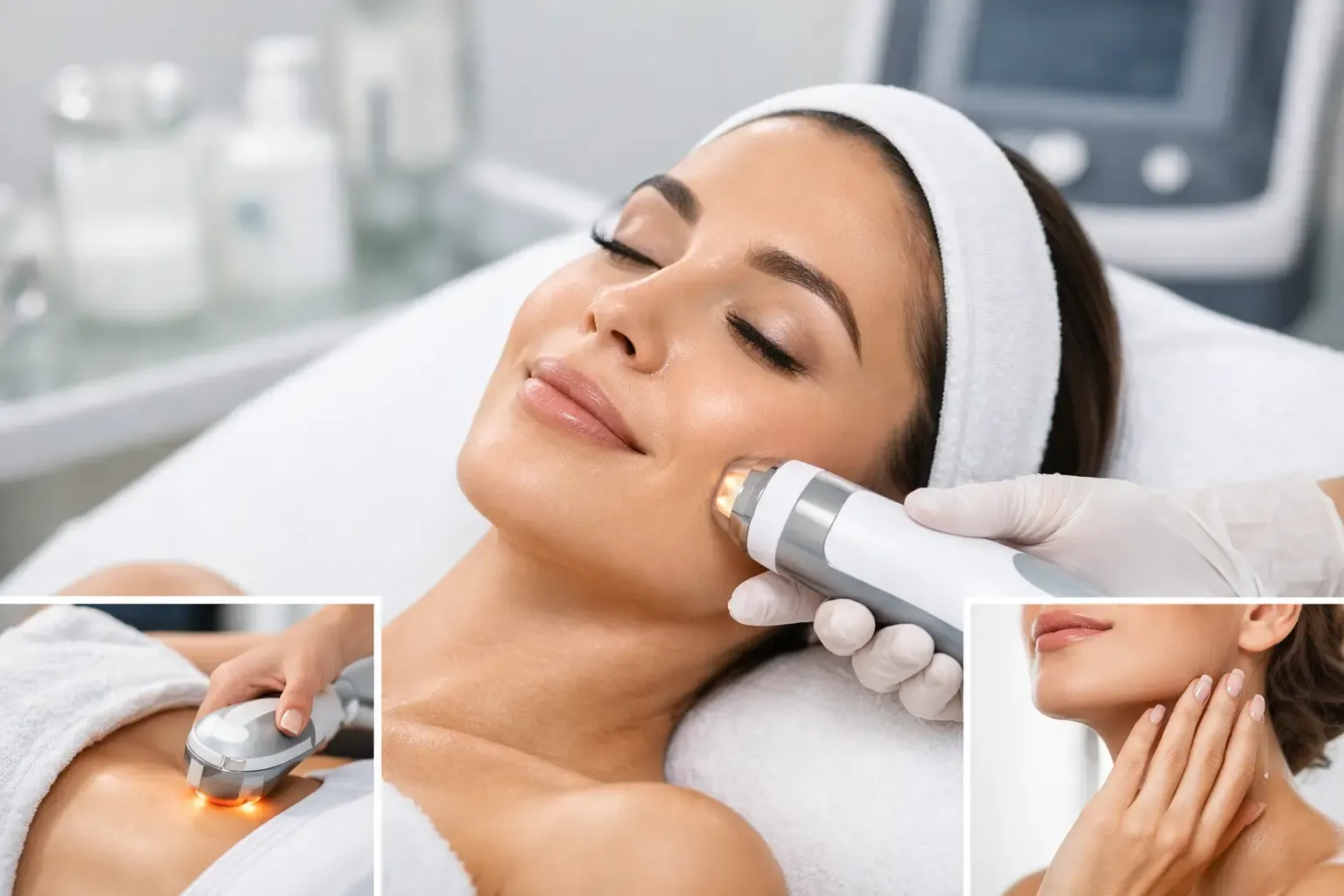
A softer jawline in photographs, creasing above the knees, looseness through the abdomen after weight loss, and makeup settling differently around the cheeks are not superficial concerns. They are often visible signs of changing collagen, elastin, muscle tone, hydration, and body composition. This skin tightening treatment guide is designed to clarify which options can meaningfully improve laxity, what results are realistic, and why the right protocol matters as much as the technology itself.
Skin tightening is not a one-size-fits-all service. The most refined outcomes come from matching the treatment to the area, degree of laxity, skin quality, lifestyle, and the underlying factors contributing to change. For many clients, especially those navigating hormonal shifts, weight loss, or the natural effects of aging, a thoughtful plan delivers more value than chasing a single procedure.
What Skin Tightening Treatments Actually Address
Healthy, resilient skin relies on collagen and elastin, structural proteins that help it appear firm, smooth, and supported. Collagen production gradually declines with age, while sun exposure, weight fluctuations, stress, poor sleep, and hormonal changes can accelerate visible laxity. Skin may look thinner, less lifted, or less able to rebound after movement.
Non-surgical skin tightening treatments are designed to stimulate collagen remodeling, improve dermal support, and enhance skin texture over time. Some technologies also address localized fullness, circulation, or muscle support, which can improve the overall contour of an area.
These treatments can be highly effective for mild to moderate laxity. They are not intended to replicate the dramatic removal of excess skin achieved through surgery. When laxity is significant, particularly after substantial weight loss, an honest consultation should include discussion of what non-surgical care can improve and where surgical referral may be more appropriate.
The Best Options in a Skin Tightening Treatment Guide
Radiofrequency for collagen remodeling and contour
Radiofrequency treatments use controlled energy to warm targeted tissue layers. This thermal stimulation supports collagen contraction in the short term and encourages new collagen production over the following weeks and months. It is a versatile option for the face, neck, abdomen, arms, thighs, buttocks, and areas where skin appears crepey or less defined.
DENSITY RF is particularly well suited to clients seeking a non-surgical approach to facial refinement and collagen renewal. Depending on the treatment plan, radiofrequency may be used to support a firmer-looking jawline, smoother neck, more refined cheek area, or improved texture in body zones affected by laxity.
Comfort, treatment depth, and the number of sessions should be individualized. A series may be recommended for body concerns, while facial treatment plans often depend on skin quality, age, and the degree of visible laxity.
Microneedling for texture, resilience, and early laxity
Microneedling creates controlled microchannels in the skin to activate the body’s natural repair response. As new collagen develops, the skin can appear smoother, more even, and more resilient. It is especially valuable when loose-looking skin is accompanied by fine lines, enlarged pores, acne scarring, or a rougher texture.
SKINStylus® Microneedling can be tailored for the face, neck, décolletage, and select body areas. While it does not replace a lifting procedure for more advanced laxity, it can be an exceptional choice for improving the quality of the skin itself. Clients often appreciate that better skin texture and collagen density can make the face or body look more refreshed even before major changes in contour are needed.
Regenerative treatments for skin quality
Regenerative aesthetics may complement energy-based tightening when the goal extends beyond firmness alone. PRP and advanced exosome-based treatments, including JuveXO exosomes, are selected to support the skin’s restorative processes and elevate overall skin quality.
These approaches may be incorporated after microneedling or within a broader rejuvenation plan, depending on clinical suitability. They are especially appealing to clients who want skin that looks healthier, more luminous, and more refined rather than simply tighter. Results vary, and regenerative treatments should always be guided by a qualified medical professional who can determine whether they fit your goals and health history.
Body contouring when laxity and fullness overlap
Skin laxity and stubborn fullness frequently occur together. Treating only one concern can leave the result feeling incomplete. For example, reducing localized fullness without a plan for tissue quality may not create the smooth, supported appearance a client expects.
T-Shape2 can support body contouring protocols through technologies designed to address circulation, tissue appearance, and body refinement. It may be considered for areas such as the abdomen, thighs, hips, arms, or buttocks when clients want a more polished contour alongside skin-focused care.
The best candidates understand that body contouring is not a substitute for medical weight management. It tends to be most rewarding when it is part of a stable, sustainable wellness plan that protects lean mass, supports nutrition, and minimizes dramatic weight cycling.
How to Choose the Right Treatment Plan
The right treatment begins with an in-person assessment, not a menu of trending devices. During consultation, a qualified provider should evaluate skin thickness, laxity severity, volume loss, facial or body anatomy, previous aesthetic treatments, weight history, and medical considerations. Your timeline also matters. A client preparing for an event in six weeks needs a different strategy than someone investing in progressive collagen remodeling over six months.
For early facial laxity, radiofrequency and microneedling may be combined or scheduled in phases. If a face appears less defined because of volume loss rather than laxity alone, an injectable or facial sculpting approach may be considered alongside collagen-focused care. Treating the wrong issue can create an outcome that looks less balanced, even when the treatment technically worked.
For the body, stable weight is one of the most valuable foundations for visible improvement. Clients who are currently losing a substantial amount of weight may benefit from prioritizing medically supervised weight loss, nutrition, and body composition first, then timing contouring and tightening treatments strategically. This approach protects the investment in aesthetic care and better supports lasting refinement.
At Advanced Health & Aesthetics, The Redefined Method™ considers these connected factors rather than treating skin as separate from metabolism, nutrition, hormones, and overall vitality. The result is a more intentional plan built around natural-looking improvement.
What Results and Downtime Can You Expect?
Most non-surgical skin tightening treatments involve little to no significant downtime. Temporary redness, warmth, mild swelling, or tenderness can occur, particularly after radiofrequency or microneedling. Microneedling may leave skin pink or red for a short period, and clients should follow aftercare instructions carefully, including sun protection and appropriate skincare.
Some clients notice an initial improvement in skin tone or tightness shortly after treatment. The more meaningful changes from collagen remodeling develop gradually. It commonly takes several weeks to begin seeing a clearer difference, with continued improvement over two to six months depending on the treatment, area, and individual biology.
The most satisfying results tend to look believable. Skin appears smoother, firmer, and better supported, while the face and body still look like your own. Maintenance may be recommended because collagen continues to change with age, lifestyle, hormone status, and environmental exposure.
Protecting Your Investment Between Treatments
A professional treatment plan works best when daily habits support it. Consistent broad-spectrum sunscreen, adequate protein intake, strength training, hydration, quality sleep, and avoiding nicotine all matter because they influence collagen health, inflammation, and body composition. For clients experiencing perimenopause, menopause, or other hormonal shifts, a medical evaluation may also reveal factors affecting energy, skin quality, muscle maintenance, and weight distribution.
Be cautious with promises of instant, permanent lifting. Non-surgical tightening is a process, and credible care should include transparent expectations, evidence-based technologies, and a treatment schedule that respects your skin’s natural remodeling timeline.
Firm, radiant skin is rarely the result of one isolated appointment. It is the visible expression of strategic care, consistent support, and a plan designed around the way your body changes. The most elevated next step is a personalized consultation that identifies what your skin needs now and how to preserve that improvement with confidence.