

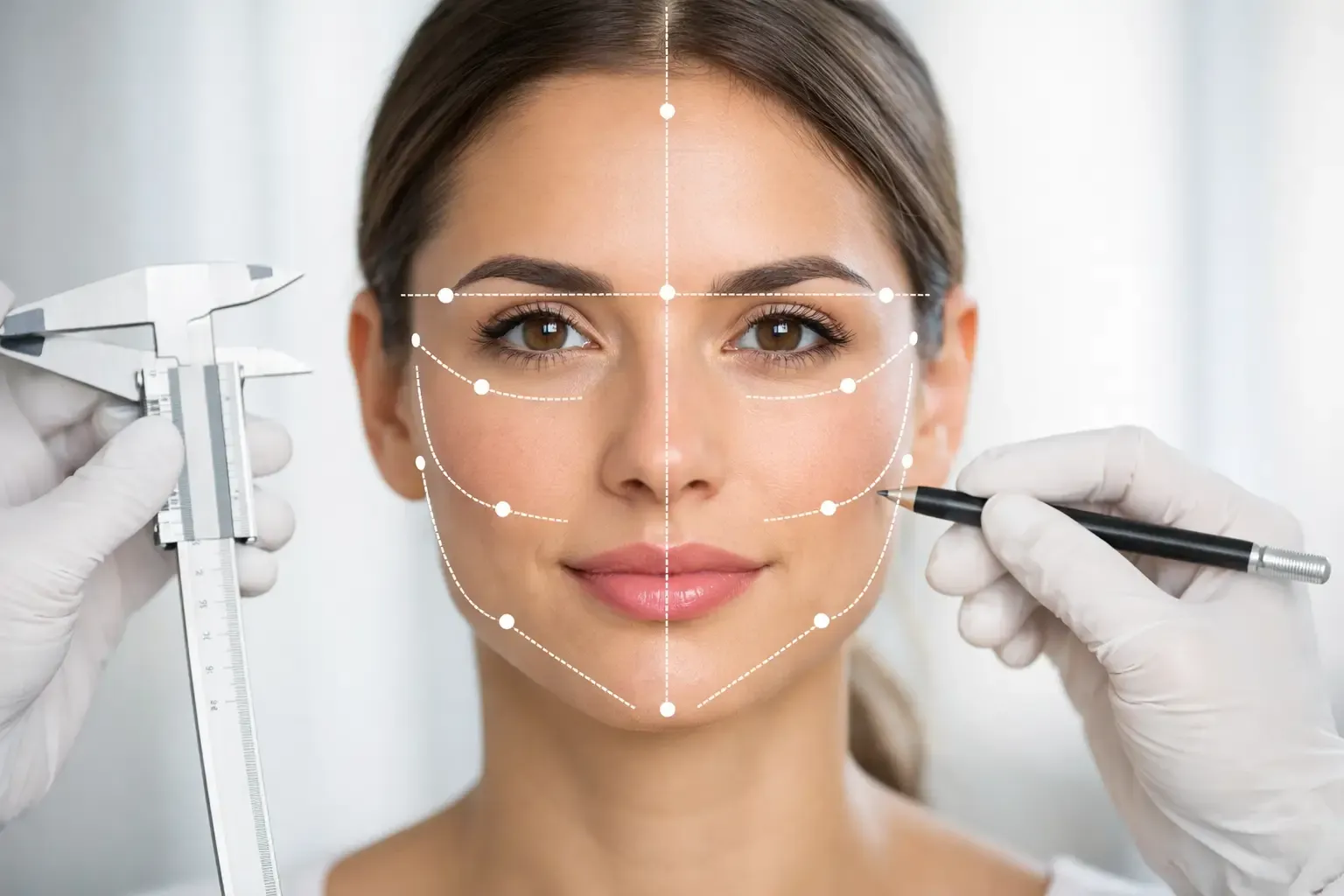
A beautifully refreshed face rarely comes from treating one line, one fold, or one feature in isolation. When patients ask what is facial balancing, they are usually trying to understand why some aesthetic results look refined and natural, while others look obvious. The answer is proportion. Facial balancing is a customized aesthetic approach that evaluates how your features work together and uses targeted treatments to create greater harmony across the face.
Rather than focusing on a single concern, facial balancing looks at the relationships between the cheeks, chin, jawline, lips, under-eye area, temples, and profile. The goal is not to make every face look the same. It is to support structure, soften imbalance, and enhance your natural features in a way that feels polished, not overdone.
What Is Facial Balancing in Aesthetic Medicine?
In aesthetic medicine, facial balancing is the process of improving overall facial harmony by strategically enhancing areas that influence proportion and symmetry. This is often done with dermal fillers, biostimulatory treatments, neuromodulators, skin-quality treatments, or a combination of therapies depending on your anatomy and goals.
For example, someone may believe their nose appears prominent, when the real issue is a recessed chin that throws off the profile. Another patient may feel their face looks tired or heavy, when the underlying concern is volume loss in the midface and temples. In both cases, treating the face as a whole often produces a more elegant result than chasing one isolated feature.
That is why facial balancing begins with assessment, not product. A medically trained provider studies facial shape, bone structure, soft tissue volume, movement, skin quality, and profile from multiple angles. Age, gender, ethnicity, and personal preference all matter. So does restraint. The best result is one that looks like you, only more refreshed, structured, and aligned.
How Facial Balancing Works
Facial balancing is both artistic and clinical. The provider evaluates where support is lacking, where projection is needed, and where subtle refinement can create a more cohesive appearance. This may involve adding structure to the chin, restoring volume in the cheeks, defining the jawline, softening under-eye hollowness, or refining lip proportion.
In many cases, small adjustments in the right places make a larger difference than a dramatic change in one area. A slight increase in chin projection can improve the side profile. Restoring cheek support can reduce heaviness around the lower face. Balancing the lips can help them fit the rest of the face rather than stand apart from it.
This is also why cookie-cutter treatment plans tend to miss the mark. Two patients may both request lip filler, but one may actually benefit more from chin support or midface restoration first. Facial balancing is highly individualized because proportion is personal.
Common Treatment Areas
The most commonly treated areas in facial balancing include the cheeks, chin, jawline, lips, temples, and under-eye region. Some patients also benefit from neuromodulators to refine facial movement or reduce masseter fullness at the jaw. Others may be better candidates for collagen-stimulating treatments, regenerative options, or skin rejuvenation therapies that improve the overall quality of the face rather than just contour.
It depends on what is creating the imbalance. Volume loss, weak structural support, asymmetry, and skin laxity can all affect the final plan.
What Facial Balancing Is Not
Facial balancing is not about chasing perfection. It is not about erasing every sign of age or trying to copy someone else’s features. It is also not the same as simply adding filler everywhere.
Overfilled cheeks, overly projected lips, and a heavy lower face usually happen when treatment is not guided by proportion. More product does not automatically create a better result. In fact, a luxury aesthetic outcome often depends on precision, moderation, and the judgment to know when less is the better choice.
A well-balanced face should still move naturally, reflect expression, and feel authentic to the individual. For many patients, that is the difference between looking treated and looking exceptionally well cared for.
Who Is a Good Candidate for Facial Balancing?
Facial balancing can benefit a wide range of patients. Some are younger adults who want to enhance natural features, improve profile harmony, or address asymmetry that has always bothered them. Others are noticing age-related volume loss, facial deflation, or changes in lower-face definition and want to restore a more rested, confident appearance.
It can be a strong option for patients who want visible improvement without surgery, especially when they value subtlety and customization. It is also appealing to professionals who want to look refreshed and structured in person and on camera, without appearing dramatically altered.
That said, not every concern is best addressed with injectables alone. If skin laxity is significant or if deeper structural changes are needed, another treatment approach may be more appropriate. An honest consultation matters because the right plan is not always the most aggressive one.
The Importance of a Full-Face Assessment
One of the most overlooked parts of treatment is the consultation itself. A proper full-face assessment helps identify the true source of imbalance instead of treating symptoms at the surface.
For example, deep nasolabial folds may not need direct filler if the cheeks have lost support. A weak jawline may become more refined when the chin is strengthened. Under-eye shadows may improve when adjacent areas are treated first. These treatment decisions require experience, facial anatomy expertise, and a clear aesthetic eye.
At a high level, facial balancing is about seeing the face three-dimensionally. It considers not just front-facing symmetry but profile, contour, transition points, and how light reflects across the skin. This is where advanced aesthetic care becomes more than a beauty treatment. It becomes structural refinement.
What to Expect From Results
When facial balancing is done well, the result is often difficult to define at first glance. You may simply look more rested, more lifted, or more proportionate. Friends may comment that you look great without knowing exactly why.
Results vary depending on the treatments used, your anatomy, and whether the plan is completed in one visit or staged over time. Some patients benefit from gradual refinement rather than full correction in a single session. This can be especially helpful for maintaining a natural look and allowing room to assess how the face responds.
There are trade-offs to consider. Injectable facial balancing can offer impressive improvement with minimal downtime, but it is not permanent. Maintenance is part of the process. Surgical procedures may offer longer-term change, but they require more recovery and are not the right fit for everyone. The best option depends on your goals, timeline, comfort level, and how much change you actually want.
Why Provider Expertise Matters
Facial balancing is not a trend to approach casually. The face contains complex anatomy, and the difference between refined enhancement and an unnatural result often comes down to injector skill, medical judgment, and treatment philosophy.
An experienced provider understands how to evaluate facial structure, how products behave in different tissue planes, and how to create improvement without distorting natural expression. Safety is also a critical part of the equation. Precision matters not only for aesthetics, but for proper technique and risk reduction.
For patients seeking a more elevated level of care, the experience should feel as individualized as the treatment itself. At Advanced Health & Aesthetics, that means taking the time to assess the full picture, align treatment with the patient’s features and goals, and create outcomes that support confidence without sacrificing authenticity.
Is Facial Balancing Worth It?
For the right patient, facial balancing can be one of the most effective ways to achieve natural-looking aesthetic improvement. It respects the architecture of the face instead of treating isolated concerns, which is often why the result feels more sophisticated and more believable.
If you have been considering filler but feel hesitant about looking overdone, this approach is often the reason patients feel more comfortable moving forward. It is not about adding volume for the sake of volume. It is about creating structure, proportion, and refinement in a way that fits your face.
The most successful aesthetic treatments rarely announce themselves. They simply help you look more like yourself at your best – healthy, confident, and fully in balance. If that is the result you want, facial balancing is worth understanding before you treat anything at all.